



Burkina Faso, a landlocked country in the Sahel region of West Africa, is flying high to the skies with its first satellite, BurkinaSat-1. This Earth observation nanosatellite, expected to reach space by the end of 2024, promises to transform the lives of the nation’s citizens by offering new opportunities for technological advancement and connectivity. The tests have already been successfully completed, and the contract has been signed with China for the launch and deployment of the satellite.
The launch, initially slated for May this year, was delayed due to technological reasons. Chief Burkinabè scientist and project instigator, Professor Frédéric Ouattara, provided assurance at a recent press conference that favorable weather conditions are now the only remaining requirement to complete the launch.
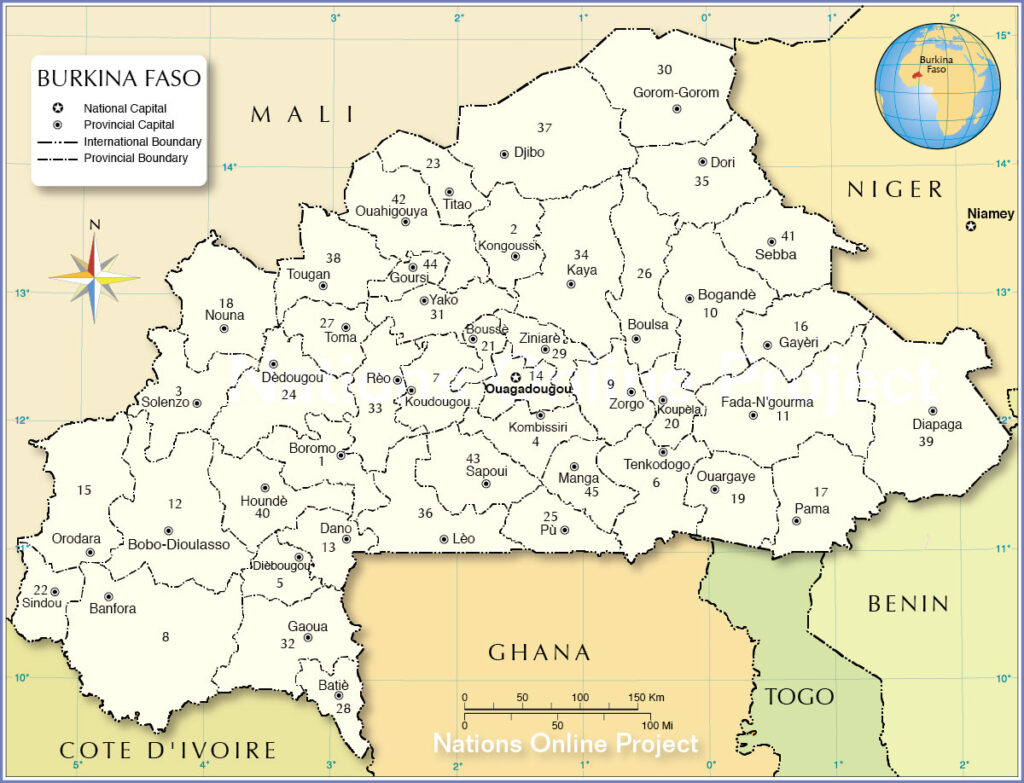
Burkina Faso is a diverse and vibrant country bordered by six nations. Despite its rich cultural heritage and abundant natural resources, Burkina Faso faces significant economic challenges. As part of the Sahel region, a semi-arid zone between the Sahara Desert to the north and the more fertile regions to the south, the country has a predominantly agrarian economy. It grapples with issues such as food insecurity, limited access to clean water, and the impacts of climate change. In this context, technological advancement is crucial for driving development and improving the quality of life for its citizens. The BurkinaSat-1 project represents a strategic move towards leveraging space technology to overcome these challenges and propel the nation towards a more prosperous future.
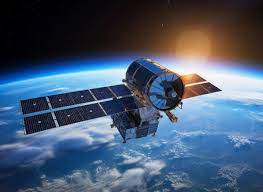
The BurkinaSat-1 project originated from the visionary efforts of Burkinabè scientists and the support of international partners. The project’s primary goals include enhancing agricultural productivity, improving water resource management, and bolstering climate resilience through advanced satellite data. BurkinaSat-1 is a small yet sophisticated satellite equipped with state-of-the-art sensors and imaging technology. These capabilities enable it to monitor crop health, track water bodies, and provide critical data for disaster management. A pivotal component of the project is the ground station at Norbert-Zongo University, which serves as the control and data processing hub for the satellite, ensuring the efficient utilization of the collected data.
Commenting on the satellite project, Burkina Faso’s minister in charge of scientific research, Professor Alkassoum Maïga, stated, “Burkina is proud of what has been done. If there is one project that needs to be moved forward, it is this one. It is of strategic interest; if only for our food security, to prevent disasters and certain diseases. We bet on the right horse.”
The applications of BurkinaSat-1 are vast and impactful. In agriculture, the satellite’s data will help farmers optimize crop yields, detect pests early, and manage soil health more effectively. With precise data on weather patterns and soil conditions, farmers can make informed decisions, leading to increased productivity and reduced crop losses. For water resource management, BurkinaSat-1 will monitor reservoirs and water bodies, aiding in the efficient distribution and conservation of this precious resource. In healthcare, data on environmental conditions from BurkinaSat-1 can help predict and manage health risks such as disease outbreaks, improving public health outcomes.
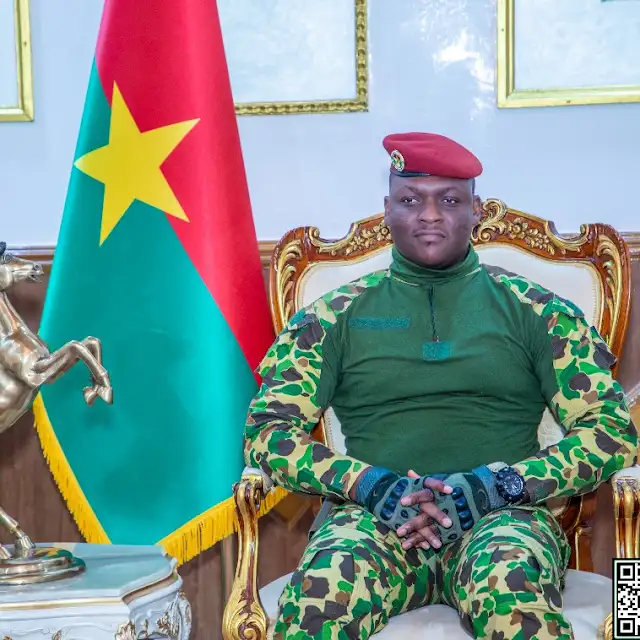
On the economic front, the satellite’s data will support infrastructure development, disaster management, and urban planning. By fostering a more resilient and informed society, BurkinaSat-1 will drive economic growth and create new opportunities. Additionally, the satellite could help President Ibrahim Traoré’s government in the surveillance of the national territory against terrorist incursions.
Technologically, BurkinaSat-1 marks a significant step forward, positioning Burkina Faso as a player in the global space industry. It is a beacon of progress within the African space sector, exemplifying how emerging space programs can contribute to addressing local and regional challenges through technology. The project sets a precedent for collaboration among African nations, fostering a spirit of shared innovation and development.
Looking ahead, Burkina Faso’s space program holds promising potential. Future developments may include launching more advanced satellites, expanding ground infrastructure, and further integrating satellite data into national development plans. The success of BurkinaSat-1 is likely to inspire a new generation of scientists and engineers, fueling interest in STEM fields and driving the country’s technological ambitions forward. This has been made possible by the goodwill from the government.
As President Ibrahim Traoré and Burkina Faso reach for the stars, the project not only elevates its scientific capabilities but also inspires a sense of pride and possibility among its people.
