



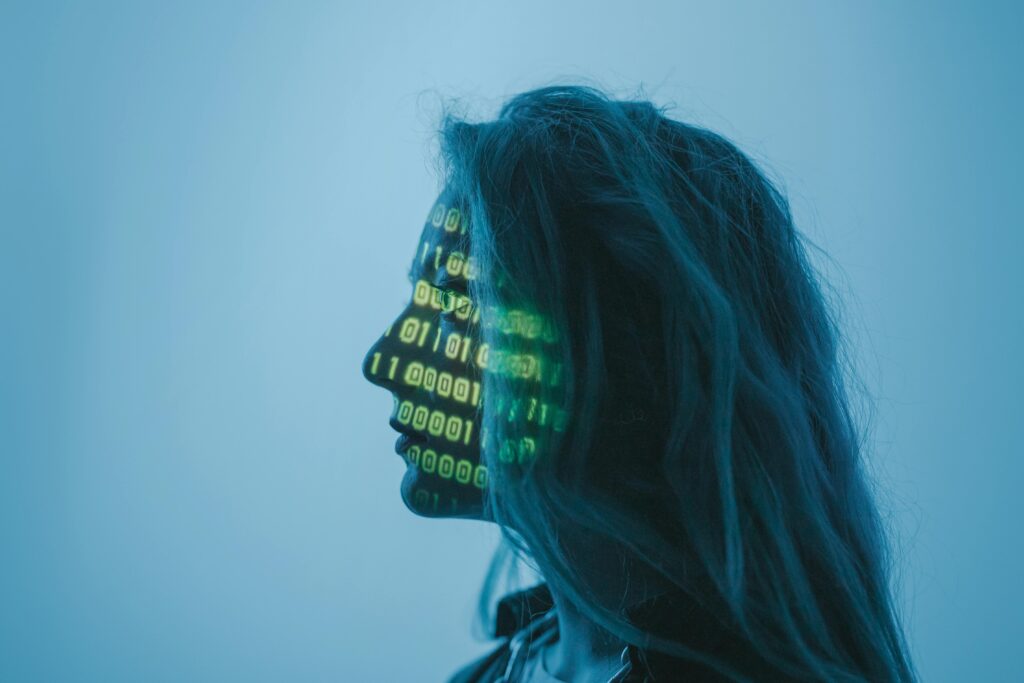
In an era increasingly dominated by digital advancements, the rise of artificial intelligence (AI) has brought with it both innovation and challenges. Among these challenges, the emergence of AI-generated deep fake technology poses a significant threat to the integrity of elections and businesses worldwide.
The Evolution of Deep Fake Technology
Deep fakes refer to highly realistic digital forgeries, often created using AI algorithms, that manipulate audio, images, or videos to portray individuals saying or doing things that never actually occurred. What sets deep fakes apart from traditional forms of manipulation is their unprecedented level of realism, making it increasingly difficult to distinguish between what is real and what is fabricated.
Implications for Elections
In the realm of elections, where trust, transparency, and authenticity are paramount, deep fakes pose serious risks. Political candidates could be targeted with manipulated videos or audio clips that could sway public opinion or damage their credibility. False statements or actions attributed to candidates could spread rapidly through social media platforms, potentially influencing voter behavior and election outcomes.

Threats to Businesses
Beyond elections, businesses are also vulnerable to the impacts of deep fake technology. Corporate leaders, public figures, and celebrities could become targets of fabricated content designed to manipulate stock prices, damage reputations, or extract sensitive information. For instance, a CEO could be portrayed in a video making fraudulent statements about company performance, leading to financial repercussions and investor distrust.
Additionally, deep fakes could be used in phishing attacks or social engineering schemes, where criminals impersonate trusted individuals within an organization to gain access to confidential data or initiate fraudulent transactions. The potential for financial loss, reputational damage, and legal liabilities poses significant risks to businesses across sectors.

Mitigating the Risks
Addressing the threats posed by AI deep fakes requires a multi-faceted approach involving technological innovation, regulatory frameworks, and public awareness campaigns. Researchers and tech companies are developing tools to detect and mitigate deep fakes, employing techniques such as digital watermarking, forensic analysis, and AI-driven detection algorithms.
Governments and international organizations are also exploring legislative measures to combat the spread of malicious deep fakes, including regulations on content moderation, data privacy protections, and penalties for the creation and dissemination of deceptive media.
Educating the public about the existence and potential dangers of deep fakes is crucial in fostering media literacy and critical thinking skills. Encouraging individuals to verify the authenticity of information before sharing it online can help mitigate the viral spread of misleading content.
