



In an era increasingly aware of mental health challenges, the role of exercise in promoting well-being has garnered significant attention. Beyond its well-documented physical benefits, exercise has emerged as a powerful tool in enhancing mental health, offering a holistic approach to managing stress, anxiety, and depression.

Exercise isn’t just beneficial for emotional health; it also enhances cognitive function and protects against cognitive decline. Research indicates that aerobic exercise, such as jogging or swimming, increases the size of the hippocampus, a brain region crucial for memory and learning. This growth is linked to improved memory and sharper cognitive abilities, providing a natural defense against age-related cognitive decline and neurodegenerative diseases like Alzheimer’s..
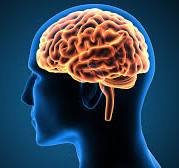
Moreover, physical activity promotes the release of proteins and chemicals that support brain cell growth and repair. These neuroprotective effects bolster overall brain health, enhancing resilience to stress and improving mental agility.
Exercise as a Stress Buster
One of the most significant benefits of exercise is its ability to mitigate stress. Physical activity reduces levels of cortisol, the body’s primary stress hormone. Chronic stress can lead to a variety of health problems, including anxiety, depression, digestive issues, and sleep disturbances. By lowering cortisol levels, exercise helps regulate the body’s response to stress, promoting a more balanced emotional state and reducing the risk of stress-related disorders.

The Role of Exercise in Depression Management
Exercise has been increasingly recognized as a potent tool in managing depression. Research suggests that regular physical activity can be as effective as medication or therapy in alleviating symptoms of mild to moderate depression. Exercise promotes the release of neurotransmitters like serotonin, which regulate mood and sleep patterns. Increased serotonin levels contribute to a sense of well-being and relaxation, combating feelings of sadness and despair associated with depression.
Social and Behavioral Aspects
Beyond its physiological effects, exercise often involves social interaction and engagement, which are crucial for mental health. Group activities such as team sports or fitness classes provide opportunities for social connection and support, reducing feelings of loneliness and isolation. The camaraderie and mutual encouragement found in exercise settings can enhance self-esteem and foster a sense of belonging, contributing to overall psychological resilience.

Integrating Exercise into Daily Life
Experts recommend incorporating regular physical activity into daily routines to reap the full mental health benefits of exercise. This can include activities as simple as walking, cycling, or gardening, all of which contribute to improved mood and well-being. Finding enjoyable forms of exercise is key to maintaining long-term adherence and maximizing mental health benefits.

Challenges and Considerations
Despite the numerous benefits of exercise for mental health, barriers such as time constraints, physical limitations, or lack of motivation can hinder consistent participation. Addressing these challenges may require personalized strategies, such as setting achievable goals, seeking social support, or exploring different types of physical activities.
